Why Toddler Meals Fail Most Parents (And What Actually Works for Peaceful Eating)
The dinner table can often feel like a battleground when you have a toddler. You’ve spent time carefully preparing a nutritious meal, perhaps even sneaking in some vegetables (we’ve all been there), only for it to be met with a scrunched nose, a defiant ‘no!’, or worse, a full-blown tantrum. Maybe you’ve tried the one bite rule, the clean plate club, or even the reward system for eating broccoli, only to find yourself more frustrated and your child more resistant. If your toddler’s mealtime habits are leaving you feeling defeated and wondering where you went wrong, you’re not alone. The mistake I see most often is that parents approach toddler meals with adult expectations, using strategies that inadvertently sabotage their child’s natural instincts and create power struggles. What changed everything for me was shifting my perspective from ‘how do I get them to eat this?’ to ‘how do I create an environment where they want to eat this (or at least try it)?’
Key Takeaways
- Ditch the ‘clean plate club’ and ‘one bite rule’ – they create negative associations and power struggles around food.
- Shift your focus from what your child eats in a single meal to creating consistent, positive mealtime experiences.
- Implement the Division of Responsibility, where parents provide, and children decide, fostering autonomy and reducing mealtime stress.
- Recognize and respect your toddler’s innate ability to self-regulate their food intake; trust them to eat what they need.
The Illusion of Control: Why Pressure Backfires Every Time
When we sit down for a meal with our toddlers, we often carry an invisible weight: the responsibility for ensuring they eat enough, and crucially, eat healthily. This concern is completely natural. We want the best for our children. However, this well-intentioned desire for control often manifests as pressure, which, in my experience, is the single biggest reason toddler meals fail. Think about it: when someone stands over you, constantly urging you to eat more, or to try something you’re hesitant about, how does it make you feel? Probably a bit rebellious, perhaps even a loss of appetite. Toddlers, with their burgeoning sense of autonomy, feel this tenfold.
I’ve witnessed countless parents (and been one myself) saying things like, Just one more bite, please? or You can’t leave the table until you eat your peas. Or the subtle, That’s a big, strong bite of chicken! This kind of language, no matter how gentle, communicates pressure. It tells your child that you are in charge of their body’s signals, not them. It undermines their ability to listen to their own hunger and fullness cues, which are incredibly strong and accurate in early childhood. This isn’t just about food; it’s about bodily autonomy. When you push, they push back. This creates a negative association with mealtime itself, turning what should be a pleasant family experience into a source of stress and conflict. The mistake here is believing that parental control over intake leads to better nutrition. In reality, it often leads to heightened pickiness, hidden eating, and a lifelong struggle with food.
The Division of Responsibility: Your Child’s Eating, Your Job, and the Clear Line Between Them
What truly changed everything for me and countless families I’ve worked with is understanding and implementing Ellyn Satter’s Division of Responsibility (DOR) in feeding. This isn’t some complex psychological theory; it’s a simple, powerful framework that clarifies everyone’s role at the dinner table. It’s about parents doing their job and children doing theirs, with a clear, respected boundary in between.
The parent’s job is clear and limited:
- What foods are offered (you choose nutritious options).
- When meals and snacks are served (consistent schedule).
- Where eating takes place (at the table, no distractions).
The child’s job is also clear:
- If they eat.
- How much they eat.
That’s it. As the parent, you are the provider of food and the structurer of the eating environment. You decide what goes on the plate and when it’s offered. You do not decide if or how much your child eats. This means no cajoling, no begging, no threatening, no rewarding. Simply put the food on the table, sit down, and enjoy your meal. If your child eats it, great. If they don’t, that’s their choice, and you trust them to make it. This sounds scary to many parents, but it’s liberating. It removes the power struggle entirely, putting the child back in charge of their own body’s signals, where they belong. The result? Less mealtime stress for everyone and, ironically, often more adventurous eating over time because the pressure is gone.
Trusting the Toddler’s Intuition: Reclaiming Self-Regulation
One of the hardest habits for parents to break, myself included, is the urge to ensure our toddlers eat a certain amount, especially of certain foods. We look at a small plate with a few bites taken and immediately worry about nutrient deficiencies or a growth stunt. This worry, however, often overlooks a crucial truth: toddlers are incredibly skilled at self-regulating their food intake. They know exactly how much they need, even if it doesn’t look like much to our adult eyes. Their appetites fluctuate wildly from day to day, meal to meal, and even bite to bite. One day they might eat a monstrous amount, and the next, barely touch their plate. Both are completely normal.
My biggest revelation came when I stopped obsessing over individual meals and started looking at their intake over a week. Suddenly, those ‘bad’ meal days looked completely balanced when averaged out. They instinctively make up for missed nutrients or calories at subsequent meals. The constant pushing to eat more actually disrupts this innate ability. It teaches them to override their body’s signals, leading to potential overeating or emotional eating later in life. By trusting their intuition, we empower them to develop a healthy relationship with food and their own bodies. This trust is a gift that lasts a lifetime, far more valuable than a few extra bites of peas today.
The Power of Exposure: Offering, Not Forcing
If you have a picky eater, the conventional wisdom often says to just keep trying the same food until they eat it. While repeated exposure is key to acceptance, the way we expose them to food is critical. Forcing, pressuring, or even subtly nagging a child to eat something they’ve rejected will likely solidify their aversion, not overcome it. Think about it: if you had a bad experience with a food, would constant insistence make you want to try it again?
Instead, adopt a strategy of repeated, low-pressure exposure. This means: always include at least one safe food (something you know they usually eat) alongside new or less-preferred items. Offer small portions of new foods – a single pea, a sliver of carrot. The goal isn’t consumption, it’s exposure. Let them touch it, smell it, even lick it. It can take 10-15 or even more exposures before a child is willing to try a new food, and many more before they actually like it. The most important part? No comments if they don’t eat it. No Oh, you didn't even try the broccoli? Just silent acceptance. Modeling positive eating habits yourself is also hugely powerful. If they see you enjoying a wide variety of foods, they are more likely to eventually follow suit. The plate is a canvas of options, not a test of compliance.
Creating a Positive Mealtime Environment: Beyond the Food Itself
Mealtime should be a connection point for the family, a calm and enjoyable experience. Unfortunately, for many with toddlers, it becomes a source of tension and frustration. The reality is that a significant portion of mealtime success has little to do with the food itself and everything to do with the environment in which it’s eaten. A chaotic, stressful, or distracted mealtime is almost guaranteed to lead to poor eating habits, regardless of how healthy the food is.
My family completely transformed our mealtimes by focusing on a few key environmental factors: consistency, calm, and connection.
- Consistency: We established clear meal and snack times and stuck to them. This helps regulate hunger, prevents grazing, and sets expectations. Toddlers thrive on routine.
- Calm: We made the table a no-phone zone for adults. No screens for kids. We put on some soft background music or just enjoyed quiet conversation. We kept our voices low and reactions neutral, especially when food was rejected.
- Connection: We focused on talking to each other, not just at the kids about their food. We shared stories from our day, asked open-ended questions, and made eye contact. This shifted the focus from the food to the social experience, making it a place they wanted to be, even if they weren’t eating much.
The simple act of sitting together, sharing a meal without pressure, and engaging in pleasant conversation does more for a toddler’s relationship with food than any amount of begging or bribing. It teaches them that eating is a positive, social experience, not a chore or a battle.
Frequently Asked Questions
Q: My toddler often refuses to eat anything I offer. Should I offer them something else if they don’t eat the meal?
A: No, this is a common trap. If you offer an alternative meal, you teach your child that refusing the main meal will lead to a preferred option. Stick to the Division of Responsibility: you provide what and when. If they choose not to eat the offered meal, that’s their choice. They won’t starve; they will likely eat more at the next scheduled meal or snack. This teaches them that they can trust their body, but also that you set the boundaries around food choices.
Q: What if my toddler is truly hungry between meals? How do I handle that?
A: Structure is key. Ensure you have consistent meal and snack times, typically every 2-3 hours for toddlers. If they claim to be hungry shortly after refusing a meal, gently remind them that the next snack/meal is at [specific time]. Offer water. If they truly didn’t eat much, they’ll likely be quite hungry for the next scheduled eating opportunity. Avoid constant grazing, as this prevents them from ever building up a proper appetite for full meals.
Q: How do I get my toddler to try new foods without making it a fight?
A: Focus on repeated, low-pressure exposure. Always include a ‘safe’ food on their plate alongside a very small portion of the new food. Encourage them to interact with it in non-eating ways: touch it, smell it, describe its color or shape. Model eating it enthusiastically yourself. The key is no pressure to actually eat it. It can take many exposures for a toddler to even consider tasting a new food, and that’s completely normal.
Q: Should I use rewards or punishments (like taking away dessert) for eating behavior?
A: Avoid both. Rewards (e.g., If you eat your broccoli, you can have ice cream) elevate the reward food while devaluing the broccoli, making it seem like a chore. Punishments (e.g., No dessert unless you finish your dinner) create negative associations, stress, and power struggles, which can lead to disordered eating patterns later on. Food should not be used as a tool for control or manipulation. Stick to the Division of Responsibility, focusing on providing healthy options in a positive environment.
Q: My toddler throws food. How do I stop this?
A: Food throwing is often a sign of being full, finished with the meal, or seeking attention/control. When it happens, calmly remove the plate and say, It looks like you're done. The meal is over. Don’t make a big fuss. If it’s a game for attention, withholding the reaction they seek will reduce the behavior. If it’s simply a sign of fullness, you’ve respected their cue. Consistency in ending the meal when food throwing occurs is vital.
Conclusion
The journey of feeding a toddler doesn’t have to be a daily struggle. By letting go of the need for control and embracing the Division of Responsibility, you can transform mealtimes from battlegrounds into peaceful family experiences. Trust your child’s innate ability to self-regulate, offer a wide variety of foods without pressure, and cultivate a calm, connected mealtime environment. It won’t happen overnight, but with consistency and patience, you’ll be fostering not just healthy eaters, but children with a healthy, lifelong relationship with food and their own bodies. So, next time you sit down, focus on enjoying your meal and the company, and let your toddler do the rest.
Written by David Miller
Family Activities & Lifestyle
A stay-at-home dad with a passion for discovery, David curates engaging family activities and travel tips.
You Might Also Like

Why Kid Craft Projects Fail Most Parents (And What Actually Works for Lasting Creativity)
Discover why traditional kid craft projects often fall short and what truly fosters creativity and engagement without the usual mess and frustration.
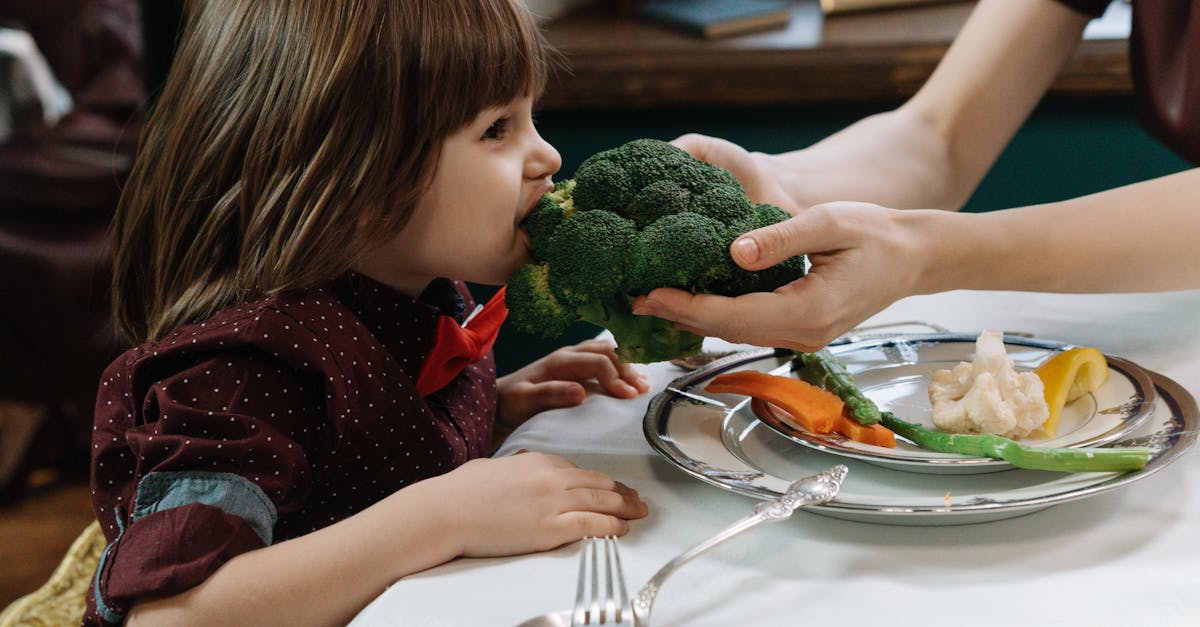
Why Kids Fight Vegetables So Stubbornly (And What Actually Works for Real Acceptance)
Discover why children resist vegetables and learn expert-backed, counter-intuitive strategies that genuinely encourage kids to eat and enjoy healthy foods.
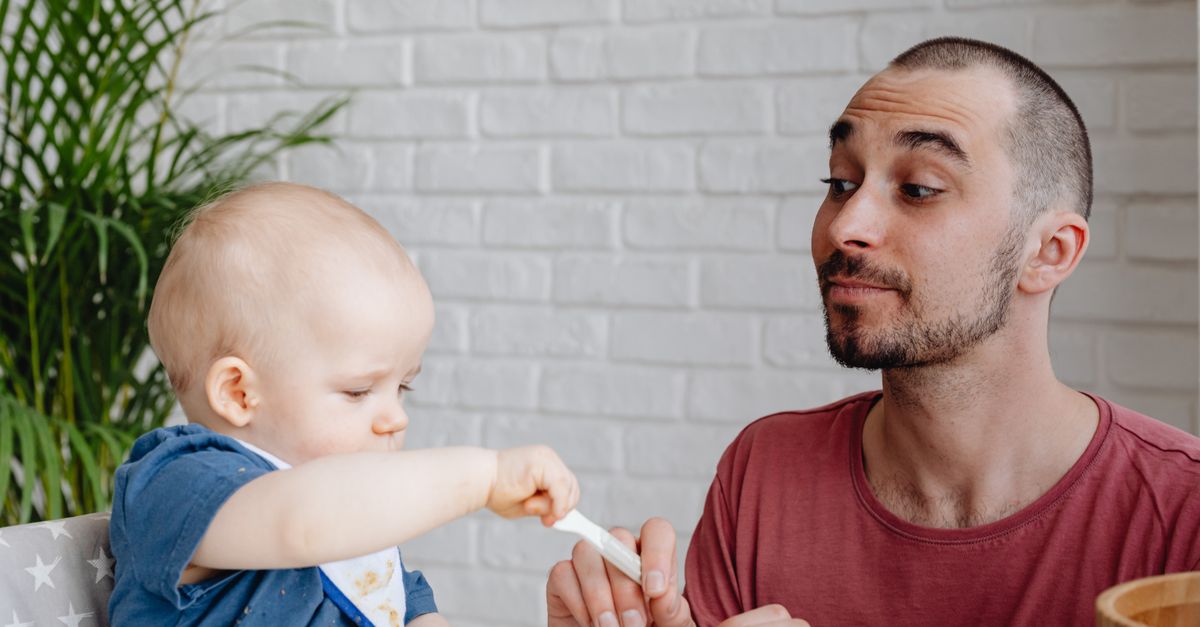
Why Toddler Meals Fail Most Parents (And What Actually Works for Peaceful Eating)
Toddler meal times can be a battleground. Discover why common parental approaches often fail and what strategies actually lead to peaceful, nutritious eating.